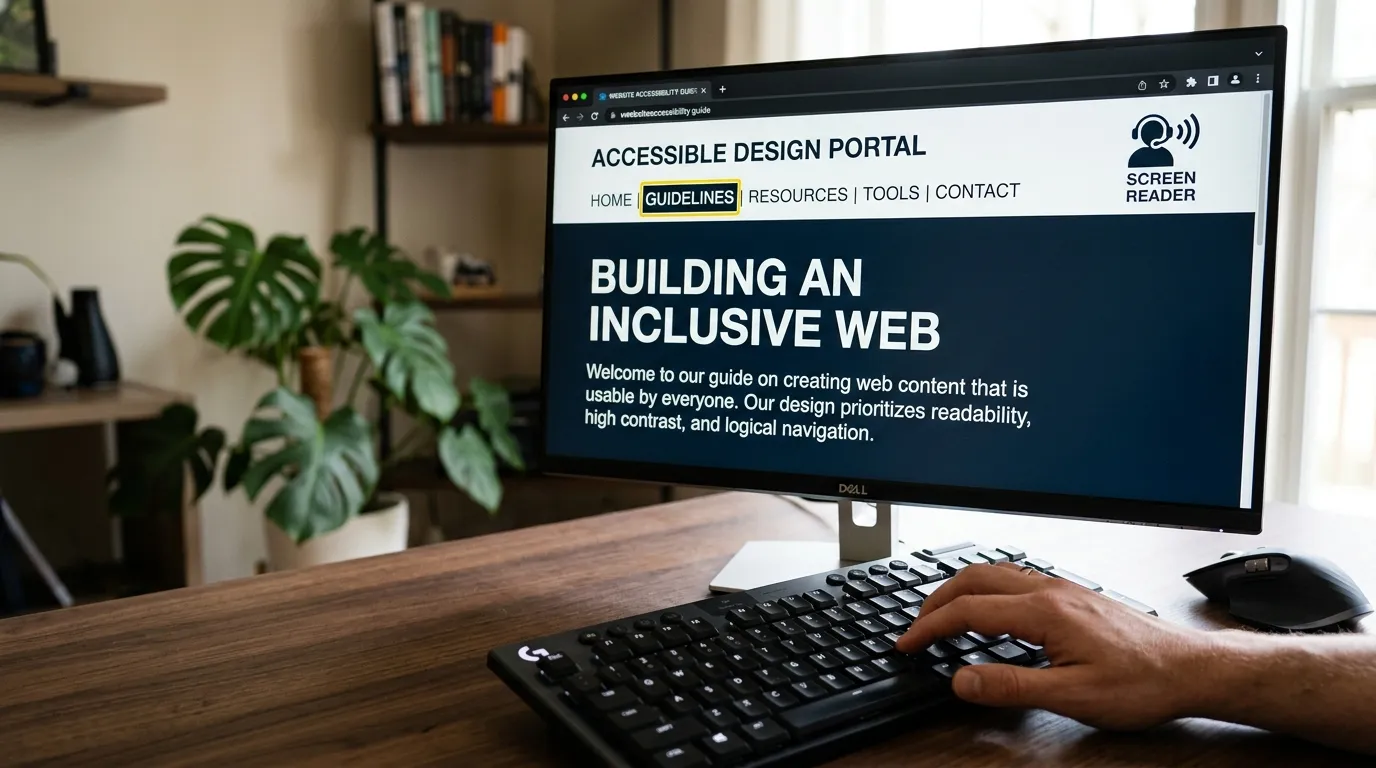
In recent years, ADA Title III digital accessibility demand letters targeting 501(c)(3) nonprofits, community health centers, and educational foundations have surged. Predatory plaintiff firms scan websites using automated bots, targeting missing alt text, keyboard focus traps, and low-contrast buttons.
Receiving an ADA demand letter is stressful, but having a clear technical action plan—including an independent technical audit, a binding remediation roadmap, and an official Accessibility Statement—is your strongest legal defense.
"When responding to an ADA demand letter, showing immediate, good-faith technical progress toward WCAG 2.2 AA compliance is the fastest way to resolve claims."
What to Do If Your Nonprofit Receives an ADA Demand Letter
- Do Not Panic and Do Not Install an Overlay Widget: Courts have repeatedly ruled that third-party accessibility overlays do not satisfy ADA compliance and often make assistive navigation worse.
- Commission an Independent WCAG 2.2 AA Audit: Obtain a third-party technical report detailing exact code violations and recommended fixes for your legal counsel.
- Establish a Time-Bound Remediation Timeline: Work with an accessible web developer to fix critical barrier items within 30 to 60 days.
- Publish a Formal Accessibility Statement: Provide a dedicated public page explaining your commitment to WCAG 2.2 AA and offering a direct contact channel for users needing accommodations.
Received an ADA accessibility notice?
Web4Cause provides rapid-response accessibility audits and code remediation for nonprofit legal defense.
Request an ADA Defense Audit