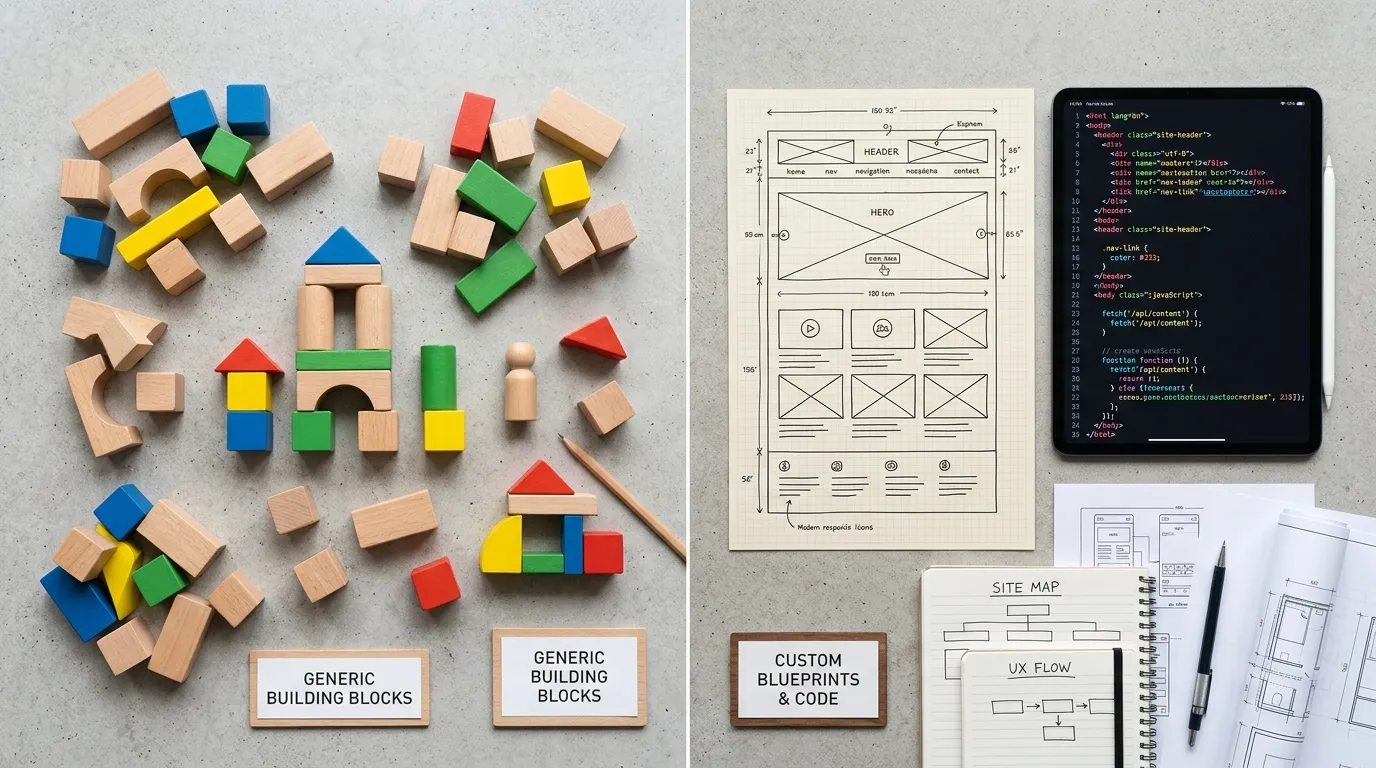
For international NGOs, national advocacy organizations, and high-traffic charitable foundations, traditional monolithic CMS architectures can struggle under massive traffic spikes during disaster appeals or Giving Tuesday campaigns. When millions of visitors arrive simultaneously, database bottlenecks can cause latency or outright crashes.
Headless WordPress decouples the WordPress content management backend from the public-facing frontend. Editorial teams continue writing in the familiar Gutenberg editor, while the public website is generated as blazing-fast, static HTML and deployed to global edge networks using modern frameworks like Next.js or Astro.
"Decoupled architecture provides the ultimate balance: familiar content editing for non-technical staff, combined with enterprise-grade security and sub-second global speed."
The 3 Major Advantages of Decoupled Architecture
1. Sub-Second Global Load Times & Core Web Vitals
Static pages pre-rendered at the edge load in under 300 milliseconds anywhere in the world, achieving perfect 100/100 Lighthouse performance scores and eliminating mobile bounce rates.
2. Ironclad Security (Immunity to PHP Exploits)
Because the public website is completely decoupled from the WordPress database and PHP server, SQL injections and plugin vulnerabilities cannot compromise your frontend or donor records.
3. Infinite Scalability During Emergency Appeals
Static edge-cached pages can handle tens of thousands of concurrent visitors without crashing servers or requiring expensive infrastructure scaling.
Exploring decoupled or headless architecture?
Let's discuss whether Headless WordPress or a modern static stack is right for your organization's traffic scale.
Discuss Enterprise Web Architecture